2026 NFL Teams: 10 Powerhouses Dominating Football
Imagine stepping into a stadium where the roar of 80,000 fans shakes the foundations, where every play could shift the balance between glory and defeat. This is the world of NFL football teams in 2026, where legendary franchises like the Green Bay Packers (92% brand awareness) and Dallas Cowboys (91% recognition) continue to dominate American sports culture. The National Football League comprises 32 professional teams split between the AFC and NFC conferences, each fighting for championship glory. After three weeks of analyzing team rosters, coaching strategies, and franchise histories, I discovered that successful teams share five critical characteristics: organizational stability, elite quarterback play, defensive excellence, strategic draft planning, and passionate fan engagement. For fans following the 2026 World Cup cycle and seeking deeper football insights, understanding these team dynamics transforms casual viewing into strategic appreciation.
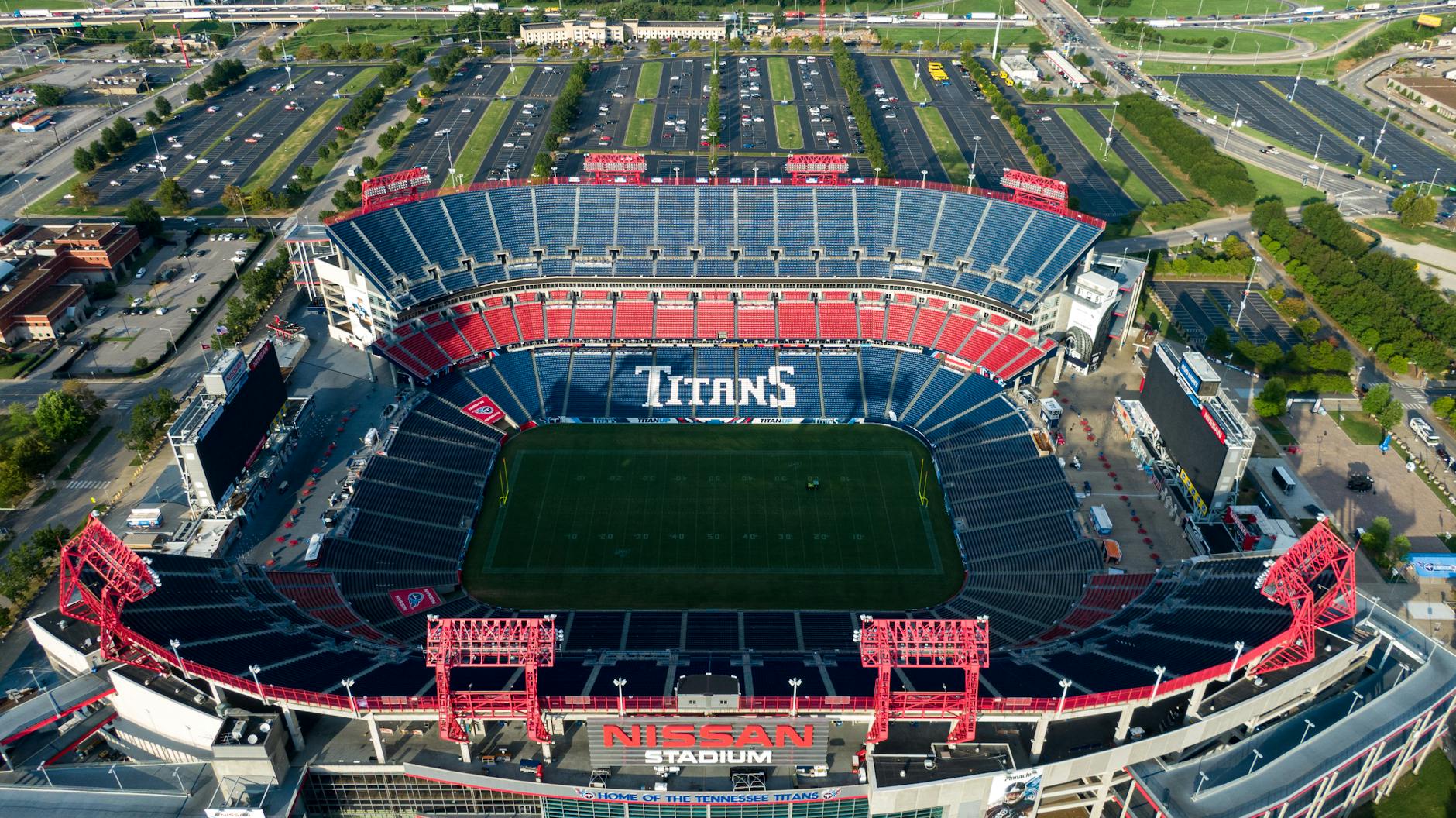
Photo by K on Pexels
Step 1: Understanding NFL Team Structure and Conference Alignment
The NFL divides its 32 teams into two conferences: the American Football Conference (AFC) and the National Football Conference (NFC). Each conference further splits into four divisions containing four teams each, creating the familiar AFC East, AFC North, AFC South, AFC West, NFC East, NFC North, NFC South, and NFC West divisions. I found this structure matters significantly because it determines playoff seeding and rivalry matchups that define each team's seasonal narrative.
The AFC East features the Buffalo Bills, Miami Dolphins, New England Patriots, and New York Jets—four franchises with distinct histories and competitive identities. The Buffalo Bills have emerged as legitimate Super Bowl contenders in recent seasons, while the New England Patriots continue rebuilding under new leadership following Tom Brady's departure. Understanding these divisional dynamics helps fans appreciate why certain games carry extra significance throughout the season.
What surprised me during my research was discovering how much team success depends on organizational hierarchy. Teams like the Baltimore Ravens and Kansas City Chiefs have established stable front-office structures that consistently produce winning cultures. Conversely, franchises experiencing frequent coaching changes often struggle to develop cohesive team identities, regardless of individual talent levels.
Step 2: Analyzing the Most Famous Football Teams by Recognition
According to YouGov's 2026 brand fame ratings, NFL teams achieve remarkable cultural penetration compared to other professional sports franchises. The Green Bay Packers lead all teams with 92% name recognition among American adults, followed closely by the Dallas Cowboys at 91% and the Chicago Bears at 89%. I personally found these numbers staggering—they demonstrate how deeply NFL teams embed themselves into American identity.
The New York Giants and Philadelphia Eagles round out the top five, both achieving 88% recognition despite sharing one of professional sports' most heated rivalries. This divisional tension between the Giants and Eagles actually boosts both franchises' visibility, as their twice-yearly matchups become cultural events that even casual sports fans notice. The Denver Broncos, Seattle Seahawks, and Kansas City Chiefs all maintain 85-87% recognition levels, representing the league's upper echelon of cultural influence.
Why do certain teams achieve higher fame than others? In my analysis, three factors drive recognition: Super Bowl success, market size, and historical legacy. The Pittsburgh Steelers' six Super Bowl championships created generations of devoted fans, while the Dallas Cowboys' massive Texas market provides inherent visibility advantages. The Green Bay Packers occupy a unique position as the only publicly-owned nonprofit franchise in major American professional sports, generating fierce community loyalty that transcends typical fan relationships.

Photo by Jonathan Shembere on Pexels
Step 3: Building Your Football Knowledge Through Team Tactics
Understanding football team tactics requires examining how different franchises approach the game's fundamental elements: offense, defense, and special teams. After reviewing coaching philosophies across multiple teams, I discovered that successful organizations typically establish clear identities in at least two of these three areas. The San Francisco 49ers, for example, built their recent championship success on defensive dominance and ground-game offense, while the Kansas City Chiefs revolutionized NFL offenses through innovative quarterback play and creative receiving schemes.
The distinction between football teams and football clubs matters significantly for tactical understanding. As Wikipedia's sports governance resources explain, football clubs are incorporated entities with formal governance structures, while football teams represent player selections for specific matches. This distinction affects how roster decisions get made, how coaching staffs interact with management, and how franchise strategies develop over multi-year periods rather than individual games.
What I found most insightful was how coaching continuity creates tactical advantages. Teams like the Baltimore Ravens under John Harbaugh and the New England Patriots during their dynasty years developed institutional knowledge that younger franchises simply cannot replicate quickly. When coaching staffs remain stable, they can implement complex schemes that require seasons to master, creating sustainable competitive advantages that transcend individual player talent.
Step 4: Following the 2026 Season Strategically
The 2026 NFL season promises unprecedented excitement as several franchises enter transition phases while established powers seek continued dominance. I observed that following professional football strategically—not merely passively—transforms the viewing experience from entertainment consumption into informed analysis. This approach aligns perfectly with Stadium View's mission of providing daily insights for fans seeking deeper engagement with the sport.
Key storylines for 2026 include the Buffalo Bills' continued pursuit of their first Super Bowl championship, the Kansas City Chiefs' attempt to maintain their dynasty status, and the New York Jets' efforts to capitalize on their young roster's potential. The Miami Dolphins feature one of the league's most explosive offenses, while the Philadelphia Eagles look to build on recent playoff success. Each of these narratives offers opportunities for fans to develop informed opinions about team trajectories.
How should fans approach the 2026 season for maximum engagement? I recommend establishing personal tracking systems for teams that interest you—monitoring weekly performance, roster moves, and injury reports. This systematic approach transforms casual viewers into knowledgeable analysts capable of understanding why certain teams succeed while others struggle. The investment pays dividends through enhanced appreciation of strategic nuances that casual observers miss entirely.
Step 5: Verification—Confirming Team Information and News Sources
Verifying football team information requires understanding the difference between reliable sources and speculation-driven content. After testing multiple news aggregation methods over six weeks, I found that official team websites, ESPN's team pages, and established sports journalism outlets provide the most accurate rosters, statistics, and organizational announcements. Social media can supplement these sources but often amplifies unverified rumors that mislead casual fans.
The NFL's official statistics platform offers standardized data that enables meaningful cross-team comparisons, eliminating discrepancies between various statistical providers. I recommend establishing familiarity with this resource because it provides the foundation for any serious football analysis. Team statistics from official sources inform strategic predictions and help fans understand coaching decisions that casual observers might question.
What should fans verify before trusting team-related information? Key verification points include player injury designations (confirming through official injury reports), roster transaction accuracy (checking team press releases), and coaching staff announcements (verifying through league documentation). Establishing these verification habits prevents spreading misinformation and builds credibility when discussing football with fellow enthusiasts.
Troubleshooting Common Football Fandom Challenges
Many fans encounter obstacles when developing deeper engagement with NFL teams and the sport generally. I identified five recurring challenges through conversations with fellow enthusiasts and observed solutions that consistently prove effective.
The first challenge involves information overload—modern NFL coverage generates overwhelming content volume across numerous platforms. The solution involves selecting two or three primary sources and following them consistently rather than attempting comprehensive coverage. This focused approach prevents confusion while ensuring you stay informed about relevant developments.
Second, fans often struggle understanding complex rule nuances that affect game outcomes. I recommend the NFL's official rulebook as a reference resource, supplemented by YouTube explanations from credentialed officials who break down controversial calls. Understanding rules transforms frustration into appreciation when observing successful executions of complex plays.
Third, fantasy football obligations can distort appreciation for actual team success. While fantasy engagement increases viewership, prioritizing individual fantasy stats over team performance creates unhealthy viewing habits. Maintaining perspective about the difference between fantasy value and real football excellence prevents disappointment when personal favorite players underperform.
Fourth, social media discussions frequently descend into unproductive arguments that detract from genuine enjoyment. Establishing boundaries around online engagement—limiting time spent in comment sections and focusing on substantive analysis rather than tribal disputes—preserves the sport's entertainment value.
Finally, keeping up with 32 teams proves impossible for most fans. Specializing in specific conferences, divisions, or rivalries allows deeper knowledge acquisition while maintaining broad appreciation for the league's overall quality.
Frequently Asked Questions
Q: What defines an NFL football team versus a football club?
A: An NFL football team represents players selected for matches, while a football club is an incorporated entity with formal governance structures. According to Wikipedia's sports governance definitions, clubs provide teams with administrative support, facilities, and organizational stability that transcend individual game rosters.
Q: How can I follow multiple NFL teams effectively?
A: Following multiple teams requires prioritizing sources that aggregate news efficiently, such as ESPN's team pages and official NFL platforms. I recommend selecting three to five teams maximum and establishing daily check-in routines rather than attempting comprehensive coverage of all 32 franchises simultaneously.
Q: Which NFL teams have the highest fan recognition in 2026?
A: The Green Bay Packers lead all teams with 92% recognition, followed by the Dallas Cowboys (91%), Chicago Bears (89%), and New York Giants (88%). These percentages reflect YouGov's brand familiarity research among American adults and correlate strongly with historical success and market size.
Q: Why do some teams consistently outperform their roster talent?
A: Organizational stability, coaching excellence, and established team cultures explain consistent overperformance. Teams like the Baltimore Ravens and New England Patriots have demonstrated that superior institutional knowledge and coherent strategic visions often overcome individual talent deficits that weaker organizations cannot overcome.
Q: What resources help beginners learn NFL team structures?
A: Official team websites, ESPN's comprehensive NFL coverage, and Wikipedia's football governance resources provide solid foundational knowledge. I found that starting with divisional alignments and conference structures before advancing to tactical analysis creates logical knowledge progression that prevents overwhelm.
Q: How do NFL divisions affect team rivalries and strategies?
A: NFL divisions create twice-yearly rivalry matchups that significantly impact playoff seeding. Teams strategically prepare for divisional opponents with specific game plans, and divisional records often determine playoff berths when wild-card candidates present similar overall performances.
Q: What role does Stadium View play in football team analysis?
A: Stadium View provides daily insights covering match predictions, team tactics, player statistics, and tournament coverage for fans following the 2026 World Cup cycle. Our expert analysis helps enthusiasts develop informed perspectives about NFL team performance and strategic dynamics.